01
Map interpretation
Learn how contours, vegetation, paths, boundaries, water features, and man-made details combine to describe the terrain before you reach it.
Ottawa sport orienteering club
Myrelqorianessa helps members turn map symbols, contour lines, compass bearings, and terrain observations into confident route decisions. Sessions are practical, progressive, and built around the core skill of staying oriented while moving.

What we practise
Good orienteering is not simply moving quickly. It is the repeated cycle of observing, interpreting, choosing, checking, and adjusting. Our club sessions give each part of that cycle deliberate practice.
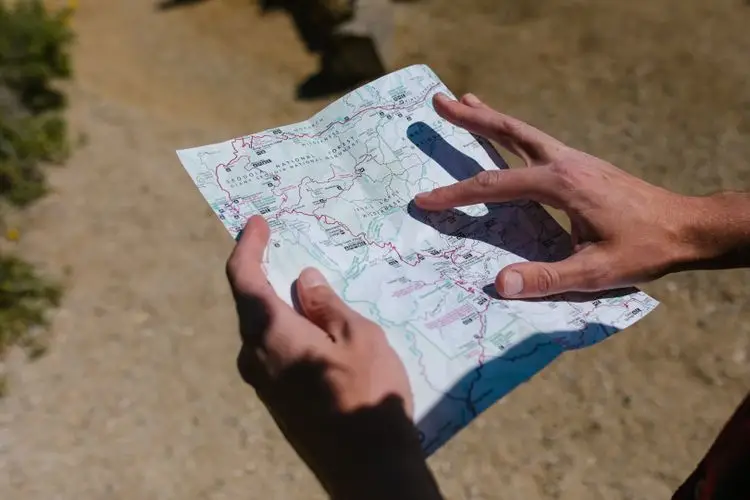
Learn how contours, vegetation, paths, boundaries, water features, and man-made details combine to describe the terrain before you reach it.
Compare safer and faster options, recognise useful handrails and attack points, and decide when direct travel is worth the additional technical demand.
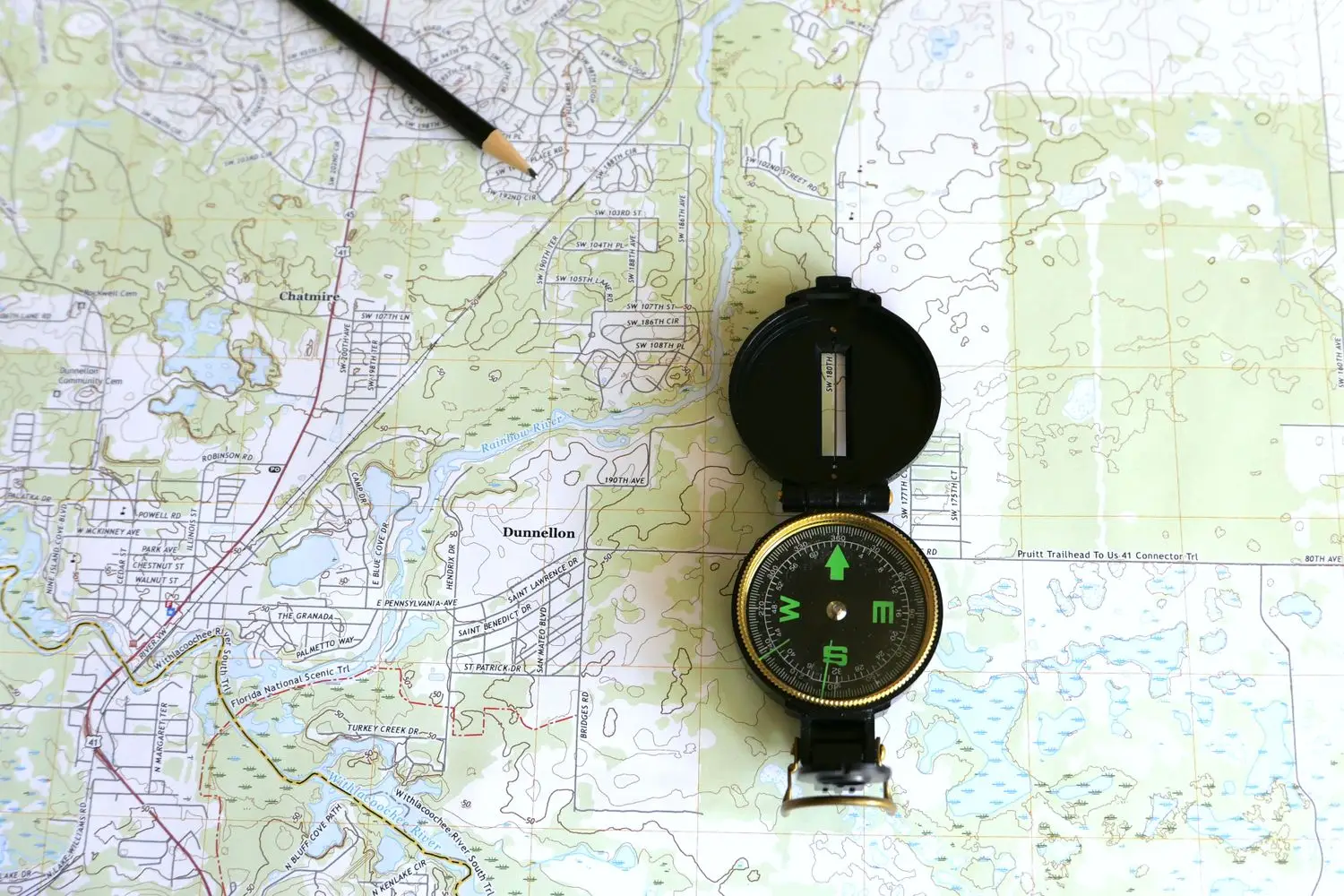
Use compass bearings, visual alignment, distance judgement, and frequent map checks to keep your movement connected to a clear plan.
A practical learning rhythm
Newer members begin by making the map feel predictable. We work on orienting the map, recognising symbols, estimating distance, following linear features, and locating clear control sites. Once those actions are reliable, sessions add more route options and more complex terrain.
Experienced members can use the same club framework differently: sharpening execution under time pressure, comparing route choices, reducing hesitation, and reviewing the exact point where a plan stopped matching the terrain.
Different terrain, same discipline
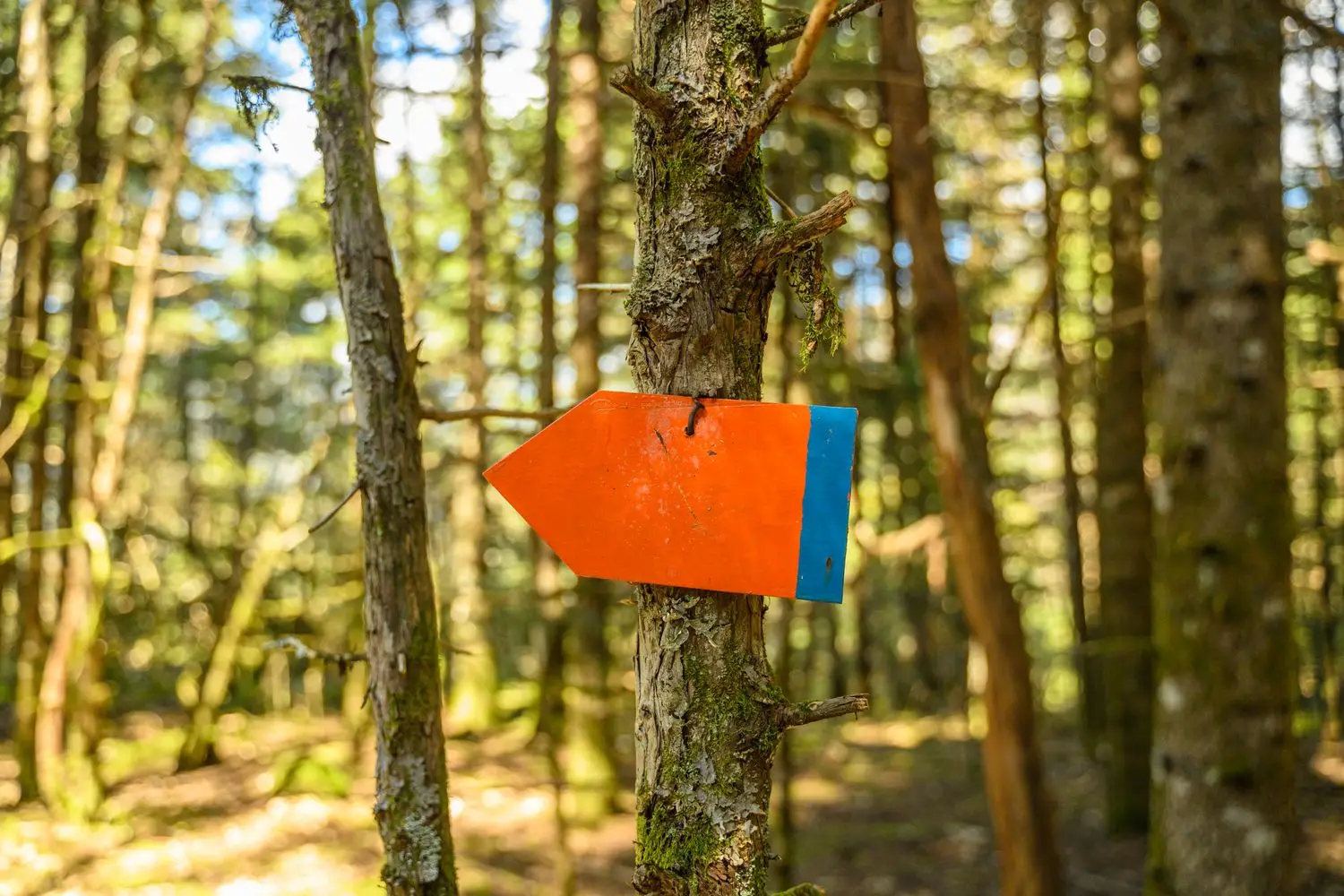
The strongest navigators simplify complicated terrain into a few reliable clues. Our sessions deliberately vary the environment so members learn which details deserve attention.


Club culture
An orienteering course is completed through your own decisions, but progress is faster when those decisions can be discussed. We create space before and after sessions for questions, route comparison, and practical feedback.
Members are encouraged to explain what they expected to see, what they actually saw, and what evidence changed their route. That habit turns every course into useful technical information for the next one.
Ready for a first session?
See the joining process, what to bring, and how we place beginners into an appropriate first activity.