Read ahead
Know the next useful feature before leaving the one you already understand.
About Myrelqorianessa
We bring together people who want to understand terrain, make deliberate route choices, and develop the judgement that turns a paper map into a practical movement plan.

Why the club exists
Orienteering can look complicated from the outside because many decisions happen quickly and quietly. Myrelqorianessa breaks those decisions into skills that can be named, practised, and reviewed. A member can work on map orientation one week, contour interpretation the next, then apply both during a short course.
We value clear instruction and independent problem-solving. Leaders can explain methods and set useful exercises, but the participant still chooses the route, reads the terrain, and decides when the evidence is strong enough to continue.
This approach gives beginners a stable foundation while still leaving room for experienced members to refine efficiency, precision, and pace.
What guides us
Know the next useful feature before leaving the one you already understand.
Reduce dense map information to the few clues that genuinely guide the route.
Use intermediate features to verify position instead of waiting for uncertainty to grow.
After the course, identify the decision that helped or hindered execution.
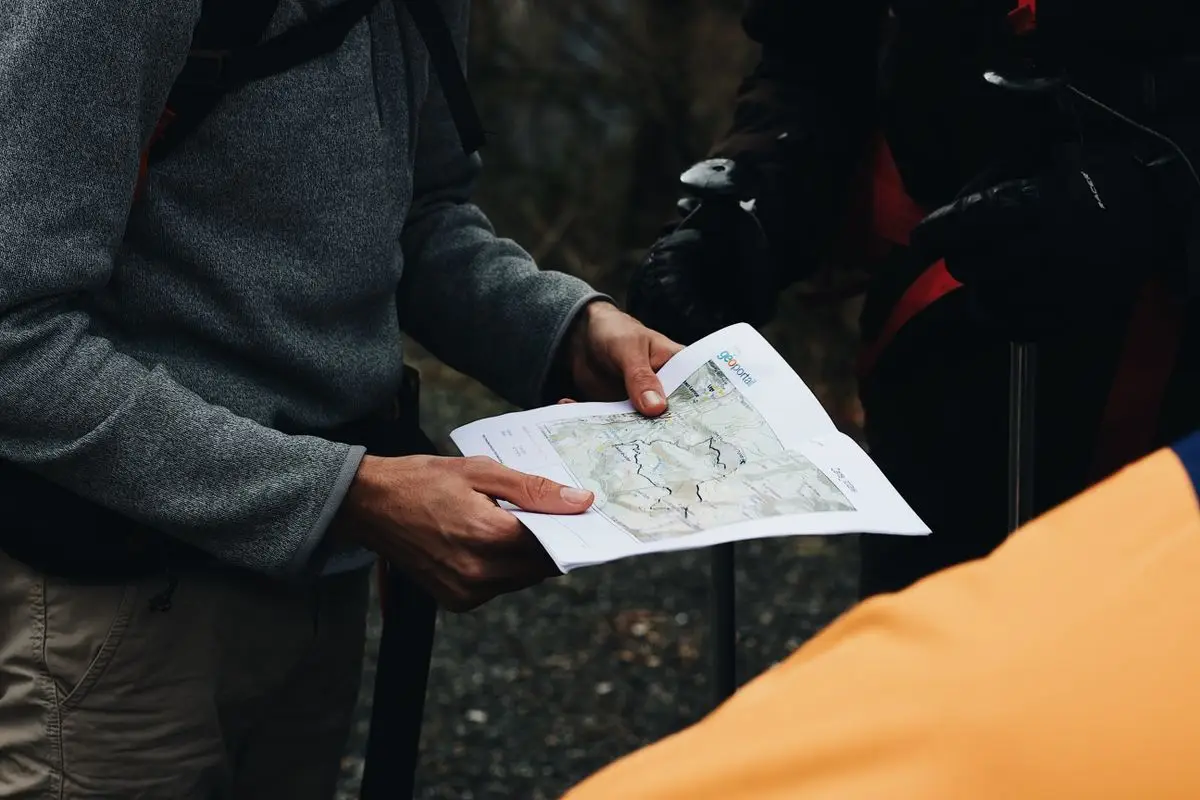
How members learn together
Two people can reach the same control through entirely different decisions. That difference is valuable. We encourage route comparison that focuses on what each person noticed, why a choice felt reliable, where hesitation began, and how the map could have been simplified.
Club discussion is not about finding one universal route. Terrain, pace, confidence, and technical strengths differ. The objective is to understand the trade-offs clearly enough to make a better choice next time.
Who belongs here
Courses can be shortened, simplified, or made more technical without changing the central task: know where you are, know where you are going, and understand why your plan should work.
Start with symbols, map orientation, basic compass use, handrails, obvious attack points, and short legs that make feedback immediate.
Work on route comparison, contour detail, direction through low-visibility terrain, pace changes, control flow, and faster decision-making under pressure.
“A useful session ends with more than a time. It leaves you able to describe the choices that created the result.”Myrelqorianessa training approach
See the method in action